
Digital Freedom, Privacy & Government Surveillance
Protecting privacy.
Defending freedom.
Resisting digital control.

New Zealand is on the brink of a major shift in how people prove who they are, how they access services, and how the state monitors digital life.
Under the banners of convenience, safety, and child protection, proposals for digital ID systems, age-verification, expanded surveillance, and online regulation are rapidly advancing.
At PILLAR, we believe these changes carry serious and irreversible risks to privacy, personal freedom, and democratic choice.
Our aim is to challenge those threats, inform the public, and defend the right of New Zealanders to live free from unnecessary digital control.
For decades, science fiction warned us about futures where every movement, transaction, and interaction is tracked, digitised, and controlled. In 2025, those warnings are no longer fictional.
Around the world, governments are introducing digital identity systems, facial recognition technology, and centralised databases that link citizens’ most sensitive personal information. These systems are sold as efficient, secure, and optional—but in practice, they often become unavoidable, coercive, and vulnerable to abuse.
New Zealand is now following this same path.

New Zealand Digital Bill of Rights Bill
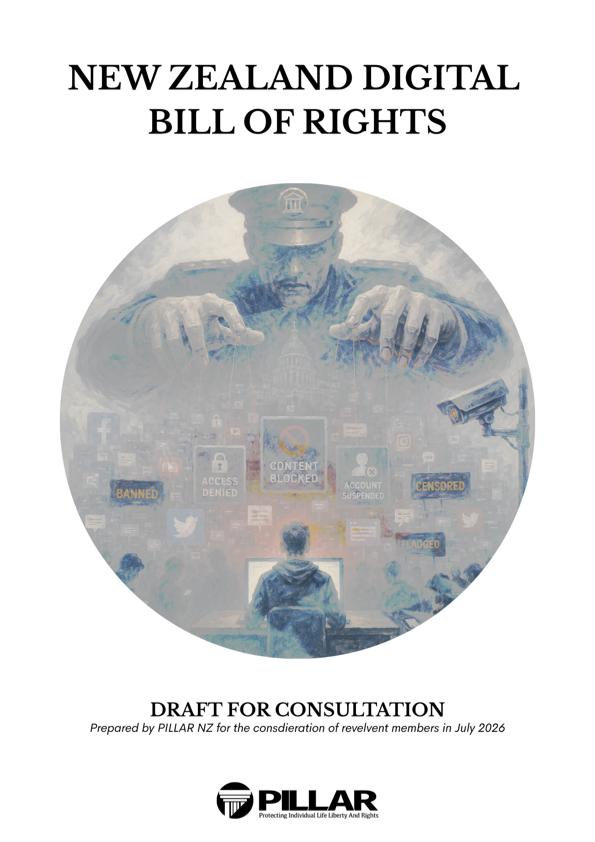
PILLAR’s proposed New Zealand Digital Bill of Rights Bill affirms a simple constitutional principle: the rights and freedoms New Zealanders enjoy offline must continue to apply online.
This Bill would help ensure that digital transformation does not become a vehicle for unchecked surveillance, arbitrary exclusion, opaque decision-making, or informal censorship.
We’ve seen digital freedoms suffocated internationally - we must not allow this happen in New Zealand.
PILLAR’s Focus
Digital ID and the Illusion of Choice
The Government’s proposed digital driver’s licence has been promoted as the first step in a broader digital identity system. Alongside a “one-stop shop” app for accessing government services. We are told it will save time, reduce costs, and improve safety.
But the question that isn’t being asked loudly enough is simple:
What is the cost to privacy and freedom?
History shows that once digital systems become the default, “optional” quickly becomes meaningless. When access to student loans, benefits, healthcare, or basic services depends on digital compliance, choice becomes an illusion.
If you cannot opt out of a system that centralises your data, it is not freedom.
Child Protection Online - a Trojan Horse
Calls to “protect children online” have rapidly expanded into proposals that would regulate the digital behaviour of everyone.
The proposed under-16 social media ban would:
Require widespread age-verification and ID checks
Centralise sensitive personal data
Reduce online freedom for all users
Sideline parental authority
This approach repeats the mistakes of the Harmful Digital Communications Act—sold as protection, now used for surveillance, censorship, and silencing dissent.
Protecting children matters.
But broad state control is not protection.
Government Surveillance: Trust Has to Be Earned
Public trust in surveillance systems depends on transparency, restraint, and accountability—yet these are precisely what is missing.
Internal Police reviews have revealed alarmingly weak controls over technologies like automatic number-plate recognition, with staff able to access systems without legitimate reasons and without proper oversight. Despite clear warnings, investigations into misuse have been refused, and key reports withheld.
You cannot surveil a population into safety.
You can only erode trust, privacy, and freedom.
Why PILLAR is Involved
PILLAR stands for Protecting Individual Life, Liberty, and Rights. Privacy is not a side issue - it is central to human dignity, democratic participation, and freedom of association.
We reject the false choice between safety and liberty.
We believe New Zealand can protect children, combat real crime, and embrace technology without sacrificing fundamental rights.

-
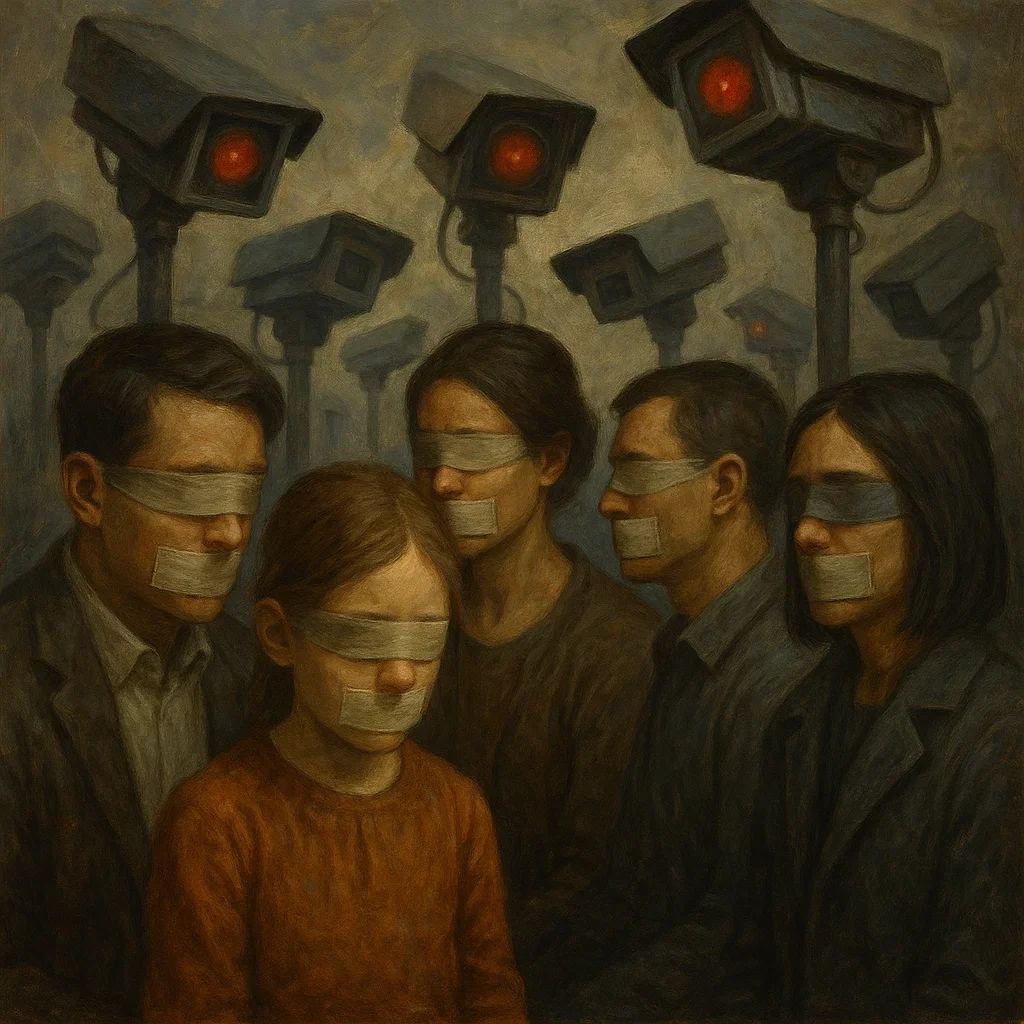
Speaking publicly against digital overreach
Making formal submissions to Parliament
Engaging media locally and internationally
Challenging vague and intrusive legislation
Holding officials accountable for surveillance misuse
-
This fight isn’t just about policy—it’s about the kind of country we want to live in.
You can support this campaign by:
Signing and sharing our petition opposing digital overreach
Making submissions on proposed legislation
Contacting your MP and asking hard questions
Staying informed and speaking up
Freedom depends on individuals bearing responsibility.
The Big Picture
New Zealand risks repeating the mistakes of recent history, where fear and urgency were used to justify sweeping intrusions into personal liberty. Once privacy is lost, it is almost never restored.
The question is not whether digital control is possible.
The question is whether it is acceptable.
At PILLAR, our answer is clear.
Your privacy matters.
Your freedom matters.
And we are committed to defending both.