Human Rights Commission’s “mis-information” campaign misses the mark.
The Human Rights Commission has launched a new campaign called Where We Belong.
It is designed to help New Zealanders identify supposedly manipulative rhetoric about immigration, diversity and belonging.
This campaign seeks to build an “awareness of tactics used to manipulate and divide our communities”.
They go on to note that the campaign also aims to help “strengthen people’s ability to recognise and counter harmful messages and misinformation ... (and help) people recognise the tactics used to manipulate public opinion that can fuel division”
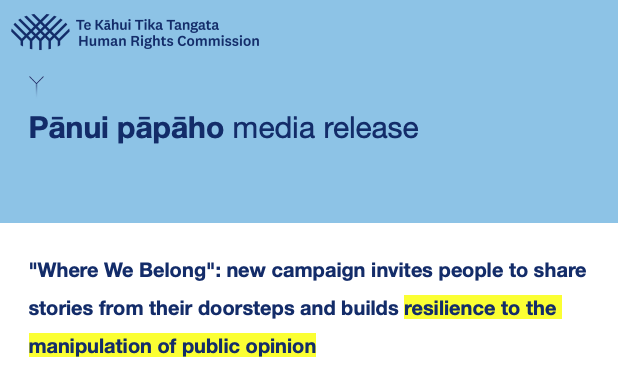
“manipulation of public opinion”… like… sharing ideas??!
Promoting social cohesion and preserving public trust is a noble endeavour.
Challenging racism and encouraging critical thinking is legitimate.
But the past six years should have taught us to be cautious about vague language concerning “harm”, “misinformation” and “disinformation” - particularly when such language comes from government institutions.
These labels easily become convenient ways of dismissing what may, in fact, be legitimate ideas, concerns and arguments worthy of debate.
A healthy society that genuinely values freedom of expression should be extremely slow to dismiss contentious ideas with vague labels such as “misinformation” and “disinformation”.
This campaign focuses heavily on immigration and the public debate surrounding it.
Take it from me, an immigrant: healthy and robust debate about immigration policy is critical to the preservation of a liberal, functioning, prosperous and productive society.
Consider ordinary democratic arguments such as:
“Immigration is putting excessive pressure on housing.”
“Rapid population growth is making infrastructure shortages worse.”
“Certain cultural practices are inconsistent with liberal democratic values.”
Some of those propositions might be completely wrong, over-exaggerated, poorly evidenced, or...perhaps... perfectly defensible.
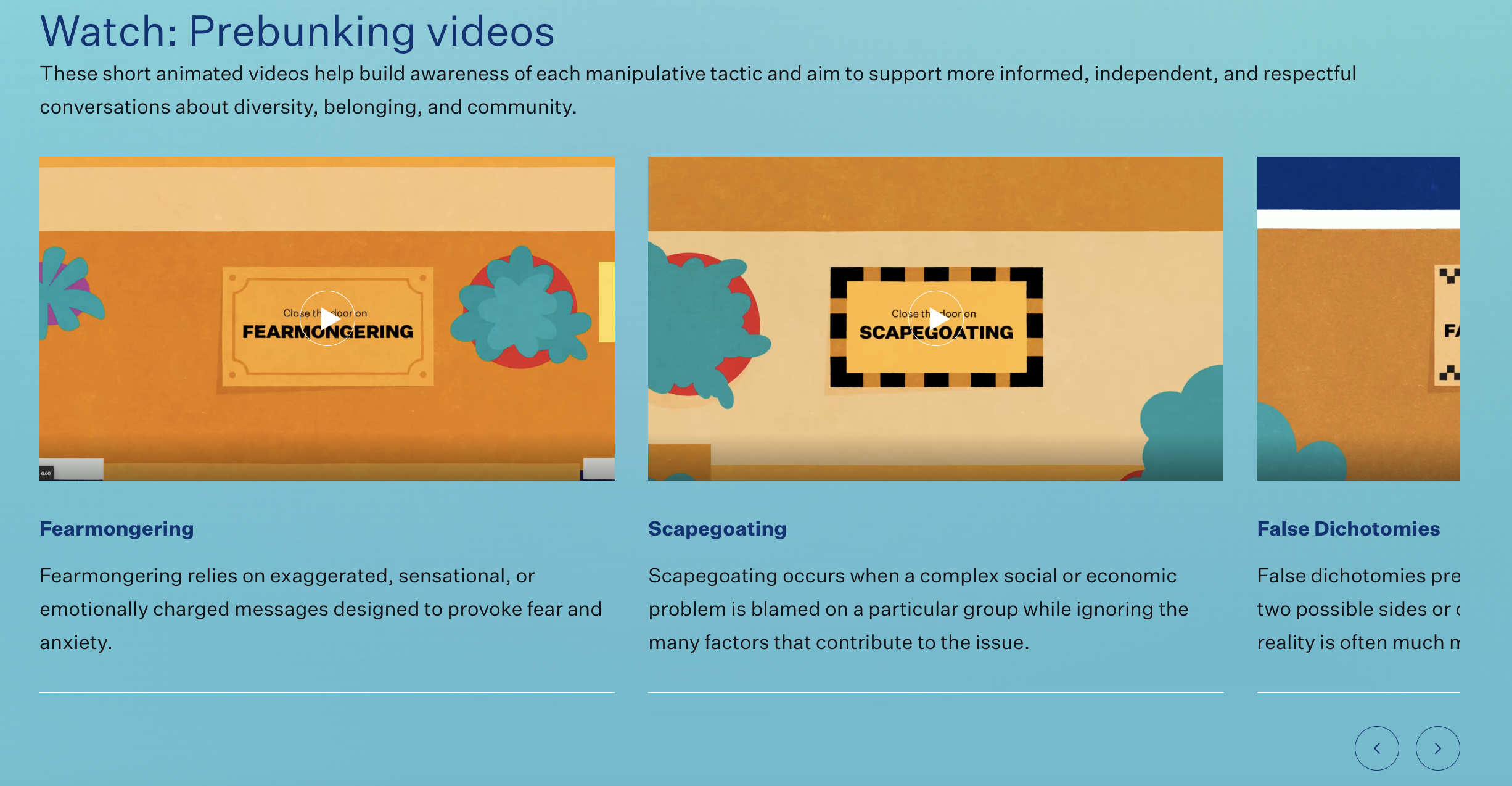
But deciding that an argument is “scapegoating” or “fearmongering” is vague, dismissive language, failing to meaningfully engage with ideas.
Freedom of expression isn't merely the freedom to express ideas everyone (or the Human Rights Commission) considers reasonable.
Free speech protects disagreement, unpopular opinions, uncomfortable arguments and, yes, even bad arguments!
The alternative approach will only mean that our freedom of speech is eroded slowly by well meaning yet destructive measures.
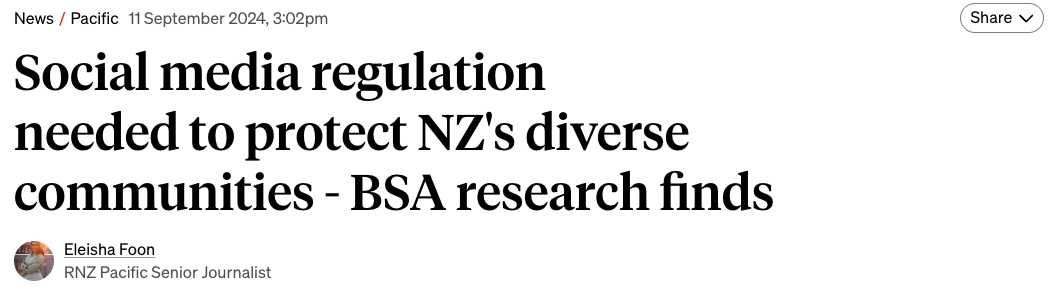
As one New Zealand Herald columnist put it earlier this year:
“New Zealand needs immigration. It also needs standards, confidence and the courage to say clearly that not every form of immigration is equal.”
New Zealand is not a neutral, all-inclusive, eternally and infinitely tolerating land. No.
We have inherited a tradition of freedom, democracy, liberty, individual rights and responsibilities, grounded in the dignity of each person.
When we look around the world these principles are the exeption not the norm - they are neither neutral nor totally inclusive.
Rhetoric about inclusivity from the Commission is welcomed in a push to preserve social cohesion but this rhetoric must not be dethatched from the core principles on which this country was built.
Denying debate fuels the very division the Commission fears.
Dismissing robust debate about policy crucial to the long-term function of this country as ‘mis and dis-information' is a sure way to diminish trust in the institutions that are meant to protect and promote the rights of all New Zealanders.
Clarity about the values that shape New Zealand is critical to preserving our freedom in the long run - PILLAR will continue to stand with clarity.