A shameful select committee inquiry…
Last week the Education and Workforce Committee released its inquiry into the harm young New Zealanders encounter online.
No surprise - the conversation has quickly turned to bans, state-oversight, and new rules for social media companies.
The report makes significant policy recommendations despite acknowledging it DID NOT conduct the necessary analysis to reach well informed conclusions.
Recommendations include:
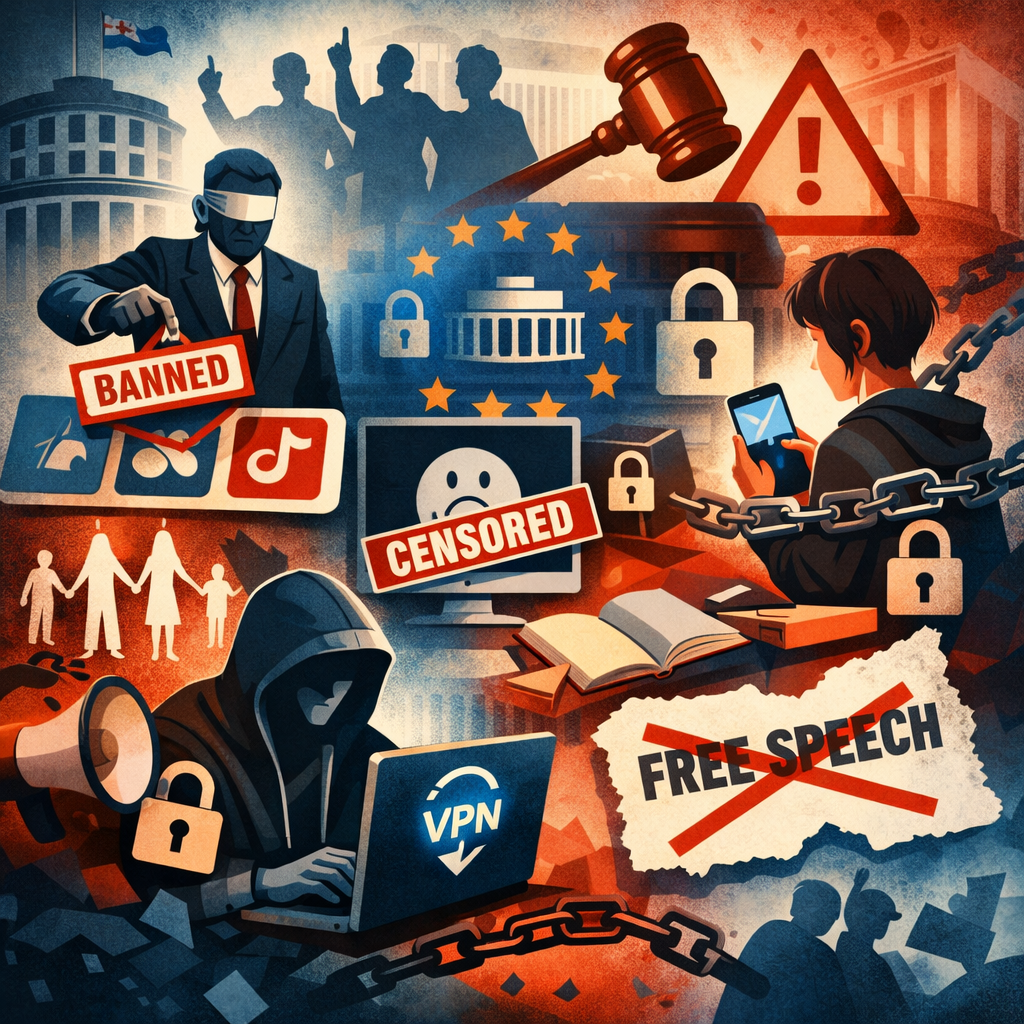
🚩 A national online regulator like the EU and the UK!
🚩 State regulated algorithms
🚩 Potential ban on VPN use
🚩 And of course, a social media ban
Taken together, New Zealand could be looking at the end of the open internet in New Zealand.
By the way again, the committee itself admits it did not analyse the costs and benefits of some of its proposals, yet they still promote the policies!
The obvious question is: on what merit should such broad and blunt policies be adopted?! When a ban is your only tool, everything begins to look like something that should be banned.
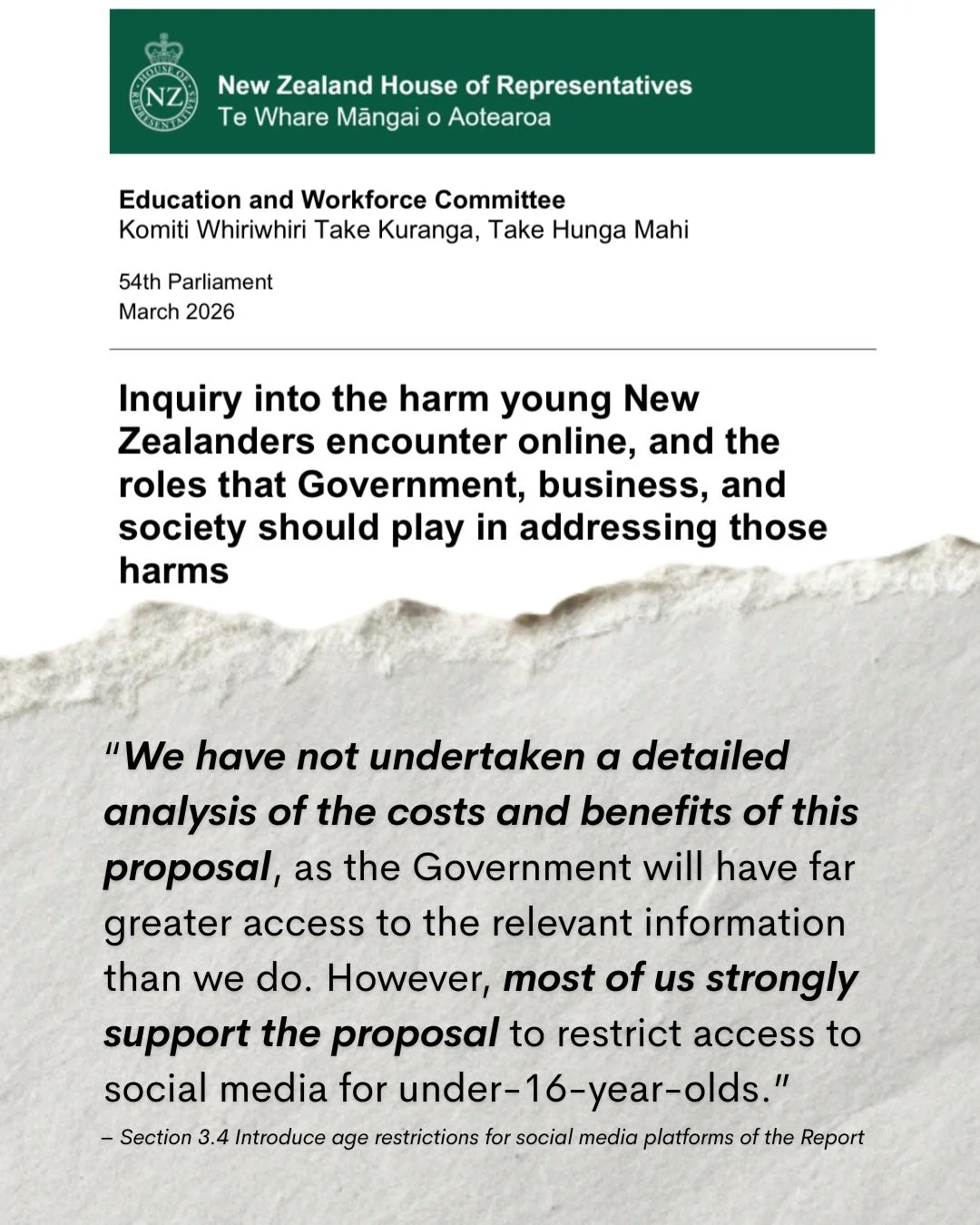
The committee, whose job was to inquire and seek advice, declined an offer from YouTube to provide evidence based on its experience in Australia! The committee also rejected the opportunity to seek advice from the Department of Internal Affairs. The inquiry failed to INQUIRE!
Had the committee already made up its mind?! It certainly looks like it…
Supporters of Australia’s social media ban have been reluctant to call it a success. The politicians responsible for it, when pressed, fall back on anecdotes about “little Sally from down the road” who thanked them at the milk bar - stories that make for good press releases but poor policy evaluation.
Friend, today the system verifies age. Tomorrow it could verify anything. Time limits on usage. The political content you consume. Geo-blocks during emergencies, to keep communication lines clear. Or imagine attending a protest that authorities have not approved. Communication between attendees could suddenly become restricted to prevent further “unlawful gatherings”.
All guided by the state and of course all in your best interests, because who can argue with “public safety”!?
Once identity checks and regulators sit between citizens and the digital public square, freedom of expression online becomes a thing of the past. We’ve seen it happen in the UK and Europe.
As comedian Jimmy Carr remarked, thanks to AI the cost of running a full authoritarian state has fallen dramatically. New Zealand is not immune to this regulatory instinct, Friend.
As always, none of this is to deny that the online world can harm young people. It can. Children, such as my own, deserve protection. Their innocence and mental health matter to me and that’s why I am taking responsibility for them as a parent. But vague definitions of harm combined with growing state control over how we access the internet should give us major pause.
In a climate where freedom is increasingly seen as dangerous, speech as hateful, and ideas as harmful, it is no surprise that this is where we have arrived.
But we don't have to resign ourselves to this. We can protect children online without sacrificing freedom and privacy.
We just have to be willing to do the hard work.