Foreign Interference — A Major “Red Flag”
NZSIS warns espionage is “almost certain” in New Zealand — it’s time to stand firm for freedom.
In July, my wife and I welcomed our third son into the world. Over the years, with each new baby, we’ve made it a tradition to pick a film series to get us through those long, sleepless nights. With our first, it was Jurassic Park. With our second, The Lord of the Rings and The Hobbit. And with our newest arrival, we tackled the Mission Impossible franchise.
But as the credits rolled, I couldn’t help wondering: that’s all just fiction… isn’t it?
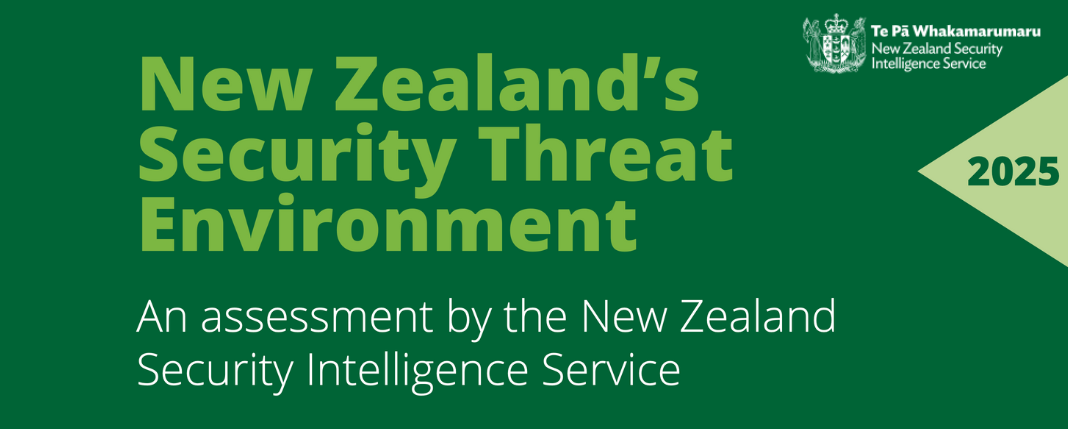
The New Zealand Security Threat Environment 2025 Report, released on August 21 by the NZSIS, suggests otherwise. The report warns of an increasingly difficult security environment, with significant threats from foreign interference, espionage, and online radicalisation. Most alarming, the agency assesses it is “almost certain there is undetected espionage activity harming New Zealand’s national interests.”
Where’s Ethan Hunt when you need him?
The tactics aren’t subtle. Influence operations, coercion, the use of proxies, and—shockingly—targeting diaspora communities.
This is what experts call transnational repression: silencing people on our soil who are critical of certain governments, or intimidating those with ethnic or religious ties abroad. The strategy doesn’t stop at borders. It reaches into New Zealand communities, sowing fear and forcing silence.
The New Zealand Security Threat Environment 2025 Report, released on August 21 by the NZSIS, suggests otherwise. The report warns of an increasingly difficult security environment, with significant threats from foreign interference, espionage, and online radicalisation. Most alarming, the agency assesses it is “almost certain there is undetected espionage activity harming New Zealand’s national interests.”
Where’s Ethan Hunt when you need him?
The tactics aren’t subtle. Influence operations, coercion, the use of proxies, and—shockingly—targeting diaspora communities.
This is what experts call transnational repression: silencing people on our soil who are critical of certain governments, or intimidating those with ethnic or religious ties abroad. The strategy doesn’t stop at borders. It reaches into New Zealand communities, sowing fear and forcing silence.
Gaslighting, Denial, and Passive-Aggressive Threats
No, this isn’t a list of things my wife accuses me of when I try to get out of trouble for forgetting to take the rubbish out. This is how the Chinese Embassy chose to respond to the NZSIS’s latest report. In a statement, the Embassy claimed the report was “rife with unfounded speculation, distortion of facts, and baseless accusations against China.”
Topping off their masterful commentary was this proverb of sorts: “Those who attempt to sabotage China–New Zealand relations for their own selfish, geopolitical purposes will not succeed. Whoever persists in lifting the wrong stone will only end up dropping it on their own foot.”

But it didn’t stop there. In a bizarre twist this week, the Embassy accused New Zealand customs officers—or “spies,” as they put it—of harassing Chinese citizens. According to the Embassy, a traveller was “subjected to harassment and interrogation without cause” while in transit. They allege his devices were confiscated, with some “still not returned to date.”
The Embassy says it has lodged a “serious representation” with MFAT and “reserves the right to take further action.” It demanded these so-called wrongful acts “cease immediately,” calling them “deplorable and unwarranted.”
Coming from a regime well-documented for surveillance, coercion, and intimidation—both inside and outside its borders—the irony is staggering. Pot, meet kettle.
Maybe we can breathe a sigh of relief with the Embassy on record calling spy tactics and labelling such undemocratic behaviour “deplorable and unwarranted.” But something tells me they apply this logic only on a case-by-case basis—when it suits them.
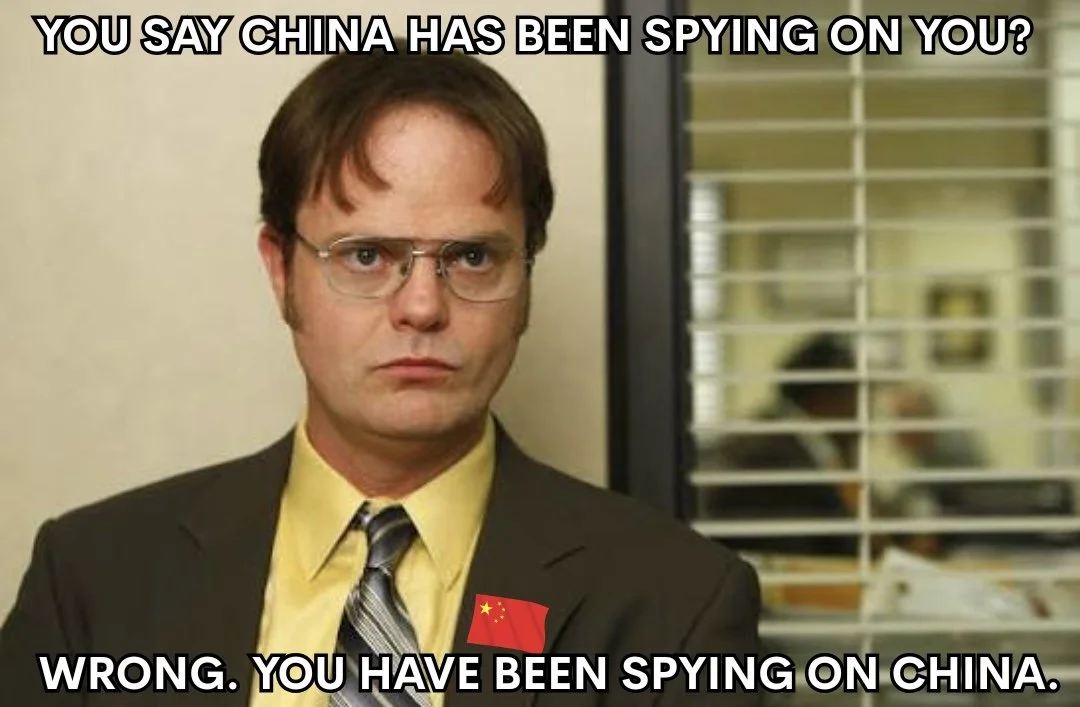
There are dozens, if not hundreds, of Chinese–Kiwi citizens living under the shadow of fear: their freedoms threatened by their former homeland, and their families in China facing persecution on their behalf. The chilling effect of these tactics drags them back under the thumb of authoritarian control—here, in a country that is meant to be free and democratic.
We need to stand with our fellow citizens. At PILLAR, we are already preparing to fight a handful of emerging cases—but we can’t do it alone. Your support will make a real difference.
We’ll keep pressing government and institutions to act, but those wheels turn slowly. In the meantime, we will do what we were founded to do: work directly with the individuals affected, offering protection, support, and a voice that cannot be silenced by those who seek to extinguish freedom around the globe.
This week, as PILLAR officially opened its doors, we marked more than just the launch of an organisation. We drew a line in the sand—a defining moment where we begin to reclaim freedom from those who would control it, and restore the pillars of democracy.
My two biggest highlights from PILLAR’s first week?
First, we were invited by Parliament to appear as special submitters before the Education and Workforce Committee’s Inquiry into the harm young New Zealanders face online, and the roles of government, business, and society in addressing those harms. We’re eager to bring forward solutions to this growing issue—without compromising parental rights, privacy, or freedom of speech online.
Second, PILLAR (via Nathan) made its Newstalk ZB debut, reaching thousands of listeners as Matt Heath and Taylor Adams discussed free speech, cancel culture, and Jimmy Kimmel.
And there’s more on the way: keep an eye out for our upcoming appearance on the Free Kiwis Podcast with Dr Michael Johnston and Dr James Kierstead of the New Zealand Initiative, where we dive into PILLAR’s vision, the value of life, faith, Pacific culture, and more.
Lets do this together!