RISE OF THE FRINGE
Everyday New Zealanders have been told they were the problem. Not extremists. Not radicals. Not conspiracy theorists. Ordinary Kiwis.
People who believe in personal responsibility, national identity, biological reality, free speech, strong families, and the idea that New Zealand should put New Zealand first increasingly found themselves pushed to the edge of public life.
National pride has been treated as racist. Confidence in our economy has faded. Shared moral foundations have been replaced by competing ideologies. Identity politics has divided us into oppressors and oppressed. Even basic biological realities have become political battlegrounds.
The Overton window didn't gradually shift. It slammed shut.
This social experiment isn't producing the results people were promised. Trust in government, media, universities and other public institutions continues to fall. Rather than asking why, many of those with political power, institutional influence and media platforms seem more interested in dragging New Zealanders back into line than getting New Zealand back on track.
That explains why establishment commentators keep warning about the rise of the "fringe."
But here's the problem with that narrative.
A party can still be "minor" in Parliament while representing the views of a large share of the country. The political establishment is beginning to discover that millions of ordinary conversations happening around dinner tables, workplaces and sports clubs aren't reflected in Wellington or the media.
Take New Zealand First.
Whether you've always agreed with Winston Peters or not, the party has identified something many others have missed. They're betting on New Zealand itself.
Not global approval. Not endless constitutional reinvention.Not apologising for who we are.
Their message is simple: back Kiwi businesses, build Kiwi industries, strengthen national identity and have confidence in our own country. That message is resonating because most New Zealanders still want a nation that feels like home.

What about ACT?
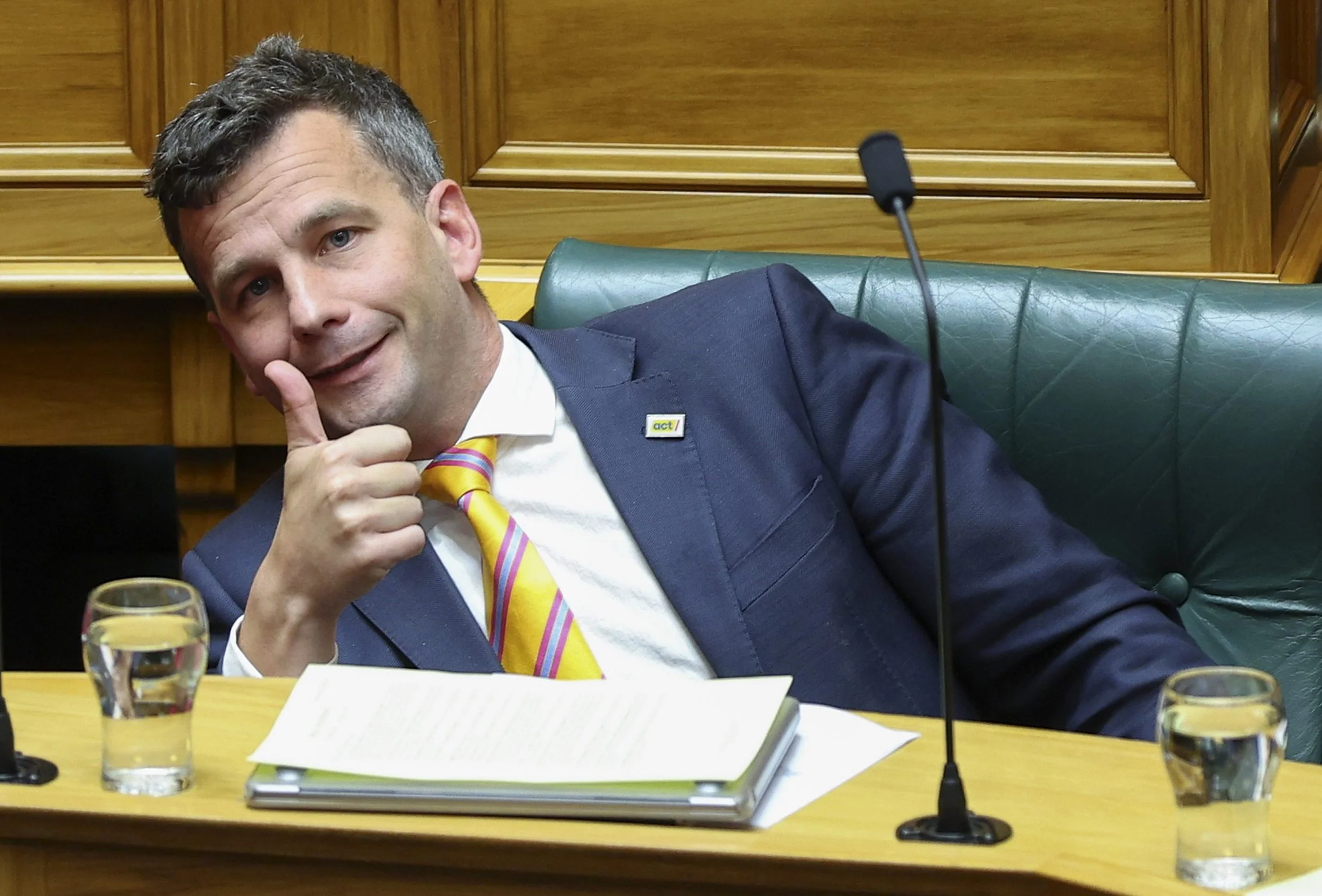
David Seymour has been one of the country's most consistent politicians. Love him or hate him, few can accuse him of abandoning his principles. His commitment to individual liberty and limited government has helped ACT secure policy wins well beyond what its parliamentary numbers might suggest.
Yet politics is emotional as much as it is rational. Performance alone rarely determines popularity. ACT has struggled to translate effective government into widespread affection, even while shaping much of this coalition's agenda.
On the other side of politics, the Greens have drifted a long way from the environmental movement that built them.
Conservation and environment are now secondary to identity politics and international activism. Recent controversies have only reinforced the perception of a party distracted by internal chaos rather than focused on governing. Many traditional environmental voters now appear to be searching elsewhere for a movement that still prioritises the environment without the surrounding ideological baggage.

Te Pāti Māori faces a different challenge.
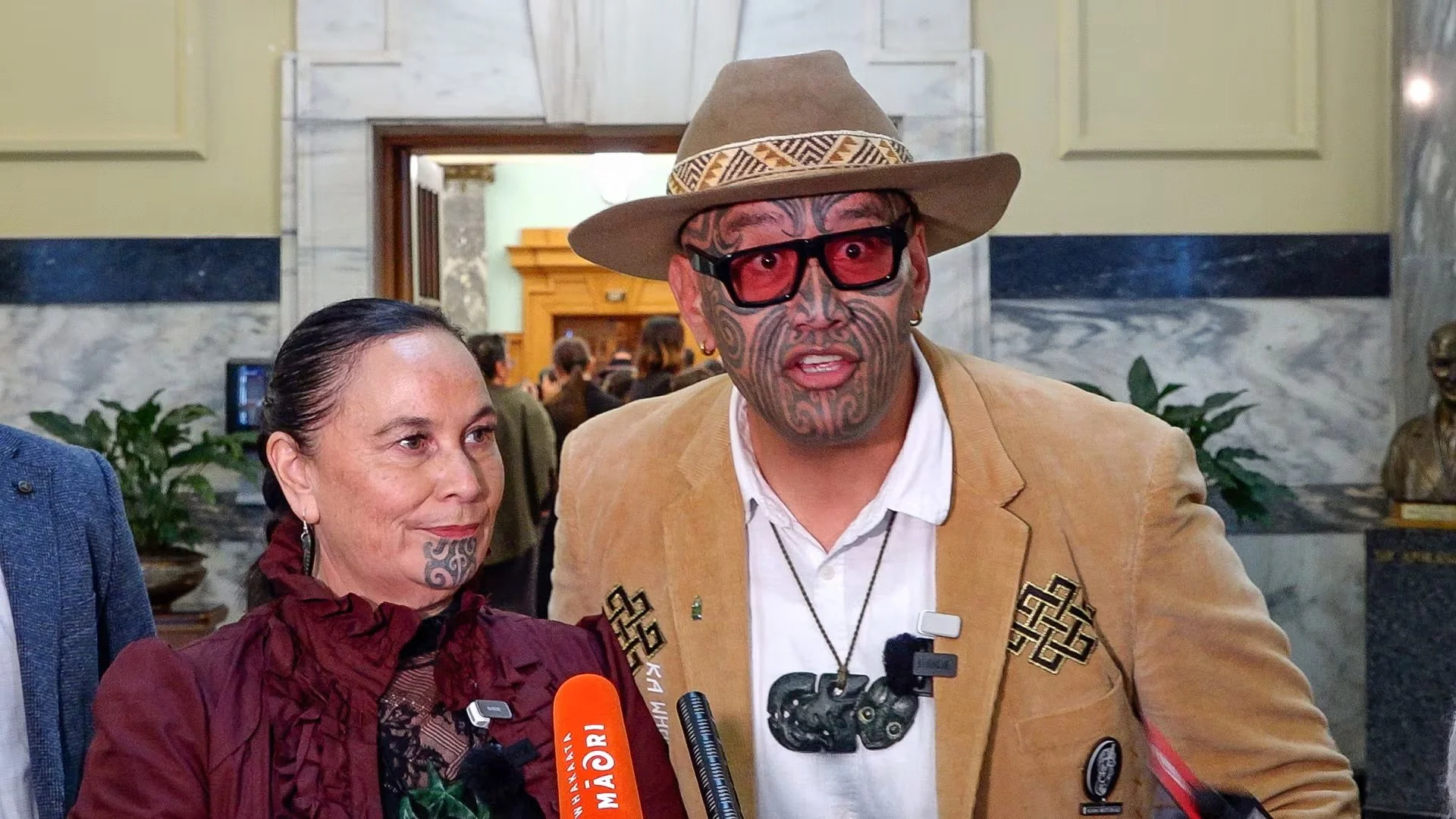
A party founded with a significant historical purpose has become defined by confrontation, internal instability and political theatre. As Labour once again competes seriously for the Māori seats, TPM can no longer rely on an uncontested political lane.
Then there's TOP.
Technocratic, polished and attracting many highly educated professionals, TOP offers an alternative home for progressive voters uncomfortable with the Greens. Whether that translates into parliamentary representation remains uncertain, but growing dissatisfaction with the major parties means opportunities exist where they previously didn't.

What does all of this tell us?
New Zealand politics is changing.
Not because the country has suddenly become more extreme, but because millions of ordinary people no longer recognise themselves in the institutions that claim to speak for them.
At PILLAR, we've seen this first-hand.
People from every political background are looking for something increasingly rare: principled, credible and consistent advocacy for individual liberty, democratic accountability and the freedoms that belong to every New Zealander.
The conversation is changing.
The only question now is whether our political institutions are willing to change with it.