Tidy Streets, Untidy Law.
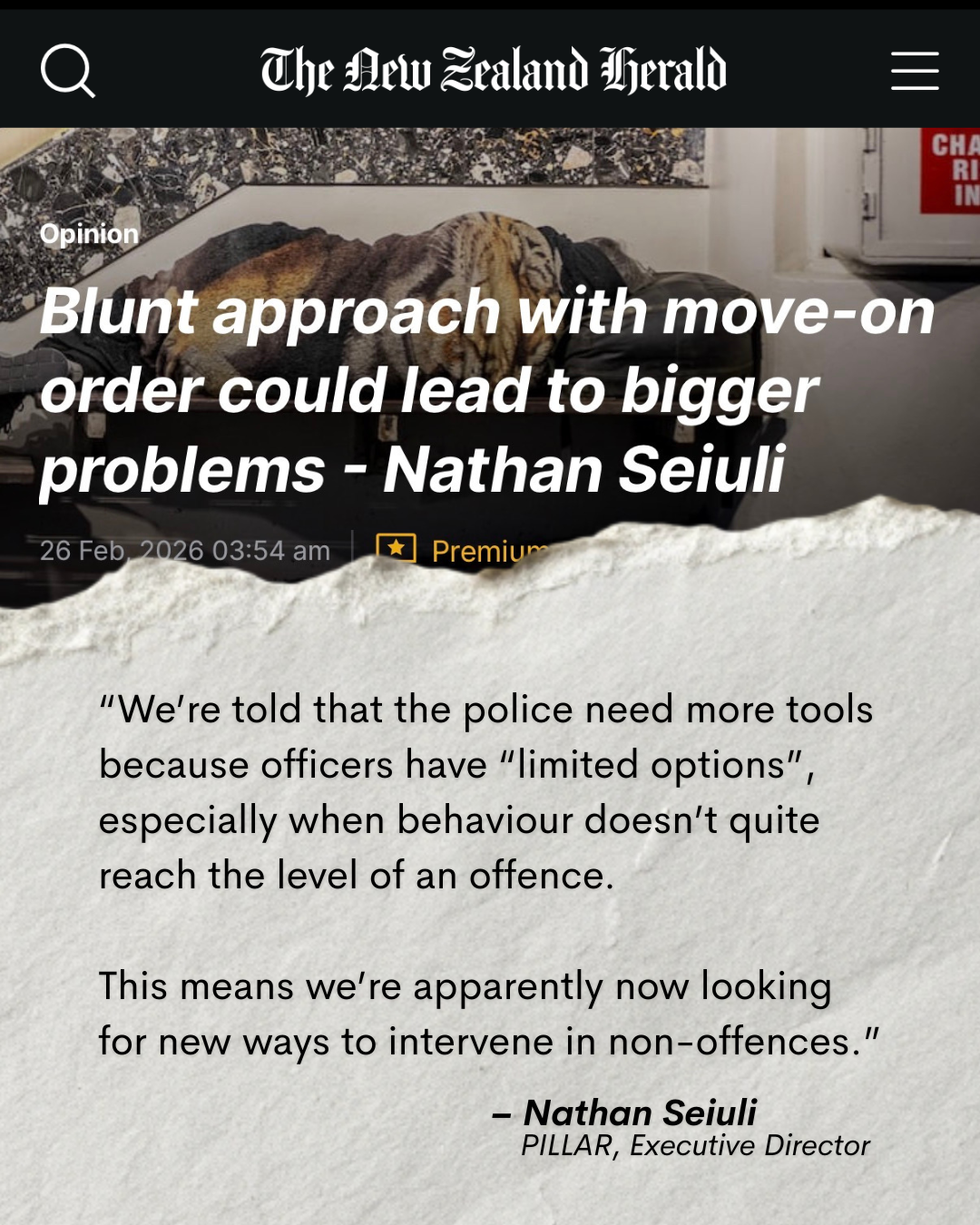
Last week I had an op ed published in the Herald on the Government’s plan to give Police new powers to “move on” rough sleepers from public places.
As expected, the reaction’s been split. Some people see it as common sense. Others see it as cruel. But I think both sides are missing something important.
We can actually do better than this.
Homelessness isn’t purely a product of a housing crisis, as many on the news would have you believe. To call it that ignores factors like addiction, family violence, mental health crises and, as unpopular as it is to say, personal choices among other things.
On the other end of the equation, we have to consider shopkeepers, who’ve a right to run their businesses without being obstructed. That matters. Livelihoods matter. Public order matters. But the key to protecting those things isn’t vague, open ended powers that chip away at fundamental freedoms.
If you want to check out the full op-ed you can do that HERE
If Parliament’s going to legislate in this space, the law must be tightly defined, narrow in scope, and fully consistent with the New Zealand Bill of Rights Act. If we get that wrong, we’ll create a much bigger problem than the one we’re trying to solve.
It’s also naïve to think Government alone can fix it.
Overseas, move-on laws have often been blunt instruments. They tend to push the problem out of sight rather than deal with it. Sometimes they even make it harder for community groups and charities to do the real work of helping people rebuild their lives.
We’re told Police need more “tools” because officers have limited options when behaviour doesn’t quite meet the threshold of an offence. But this proposal would allow move-on orders for “disorderly” or “disruptive” behaviour.
Those are subjective terms. That’s not precise law. That’s broad discretion.
And that should concern all of us.
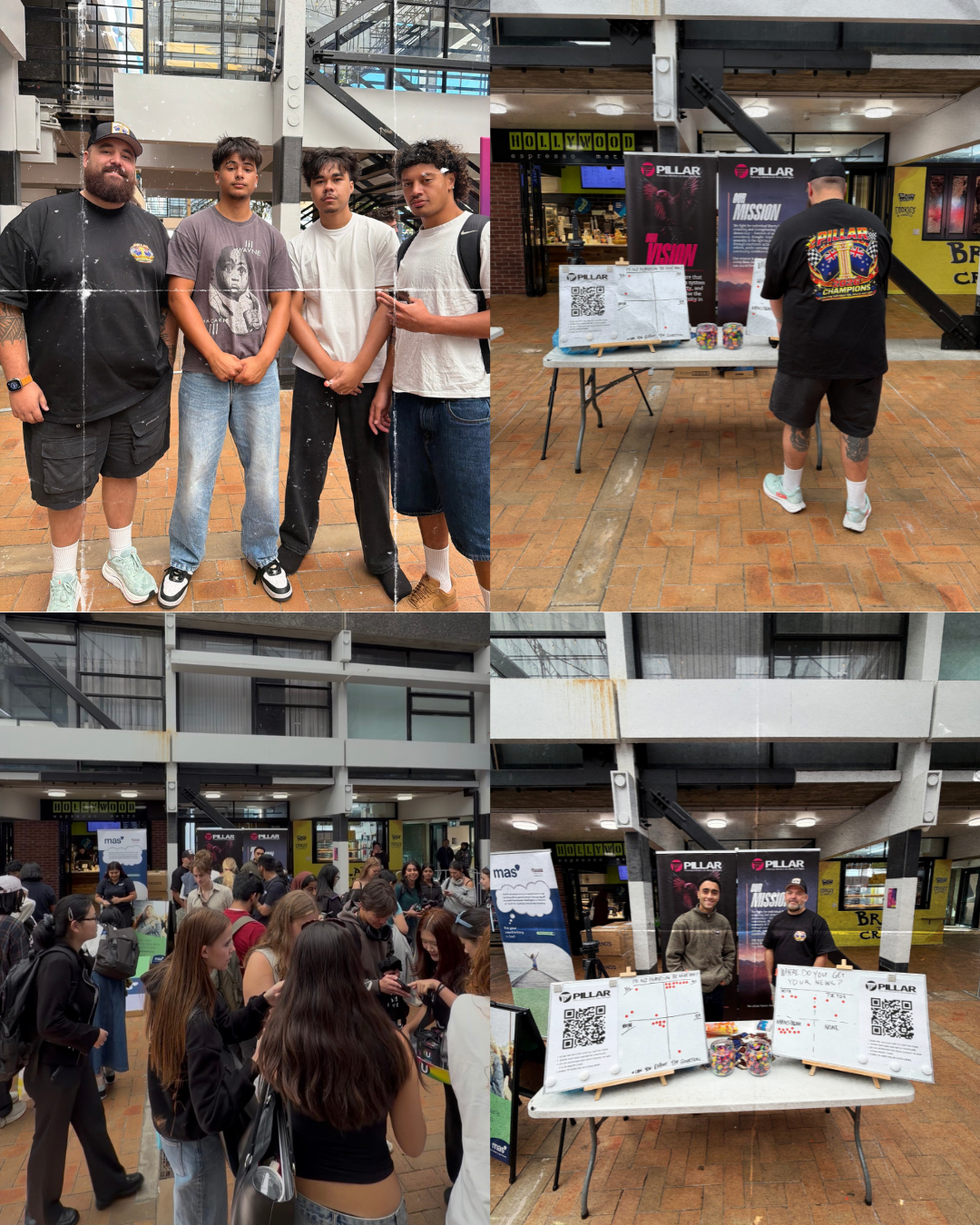
SIDE NOTE: We’ve spent the last three days on campus at UOA meeting hundreds of students and having real conversations about the state of civil liberties in New Zealand.
Hundreds signed up for PILLAR updates. Many enrolled to vote for what will be their very first election.
Democracy in action.
Last year’s IPCA findings showed worrying gaps in officers’ understanding of NZBORA protections. Expanding discretionary power in that environment increases risk. Today the label might be applied to rough sleepers. Tomorrow it could be applied to a protest, a counter protest, or someone expressing an unpopular view.
Freedom of movement and assembly aren’t fringe rights. They belong to everyone.
Opposing a blunt move-on power isn’t endorsing homelessness. Rough sleepers can’t be allowed to physically obstruct others. But the answer must be carefully targeted and rights consistent.
We need a law that solves the problem without undermining our freedoms.
This one doesn’t.