Lest we repeat…
The official ANZAC relationship in 2026 is being rejuvenated and strengthened in a way not seen for generations. And just in the nick of time.
The motto “lest we forget” is recited to honour past sacrifices made by our armed forces. But it would honour their sacrifice far more, and be of greater benefit, if we also considered how instructive their experience can be to our present strategic position.
When remembrance services in the wake of WWI saw “lest we forget” popularised, veterans in reciting those three sacred words sought to impress on the next generation the terrible cost of war and the folly of ever repeating it. Yet that pacifist sentiment - the utterly noble insistence that The Great War be the war to end all wars - would go on to inform Britain’s 1930s policy of appeasement, smoothing the way for the fascist invasion of Europe and the very thing the veterans had to sought to avoid - WWII.
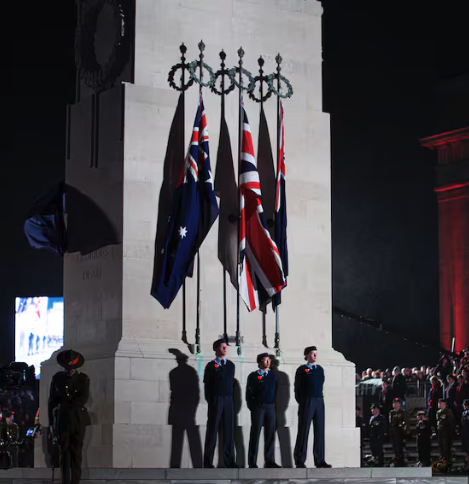
Assuming that the political leadership of a non-democratic country wants to respect your own democratic institutions and those of our neighbours is a mistake we cannot afford to repeat.
So, if the primary aim of defence should be deterrence - dissuading a possible opponent from threatening our national sovereignty and the peace and stability of our regional friends and allies - NZ has barely begun to put in place the sort of protective measures needed for the 21st century.
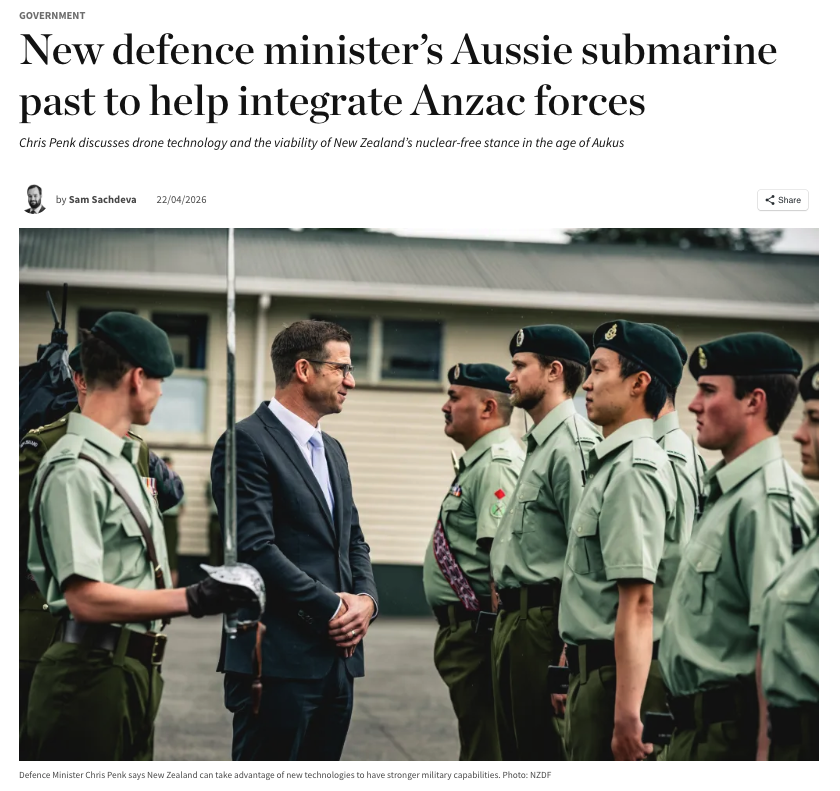
Increasing the defence budget last year was a bold start, and the recent appointment of naval veteran Chris Penk to Minister of Defence is an inspired choice. Beyond these moves, however, we have failed to consider how broad the project of building strategic resilience really is and what it will take.
The trouble is that while NZ now looks to strengthen its ability to defend our borders, the vulnerabilities that exist within them are already being exploited. Foreign interference and transnational repression is alive and well here, mostly surreptitiously, but that is very much the point. NZ's intelligence services reported last year an unprecedented level of manipulation and coercion by CCP proxies. In our civil liberties work at PILLAR, we are seeing a profound chilling of free expression amongst the NZ Chinese community. It is simply not safe anymore to speak up about issues related to China such as democracy in Hong Kong or Taiwanese self-determination. Consistent with the trend we’re observing in other democracies, these threats now extend to non-Chinese critics of Beijing.
While western leaders continue to be shocked by the radical behaviour of the Trump presidency, too many make the mistake of trusting the pleasant but superficial interactions they enjoy with China's diplomats and trade delegations by confusing their polite form for the substance of the ideology which motivates it. There is nothing benign about the Chinese Communist Party and its ambitions for the Indo-Pacific.
China's insistence that democratic trading partners play a diplomatic dance designed to legitimize its One-China policy should be flatly ignored. We shame the legacy of ANZAC for playing this 21st game of appeasement.
But for all its real strengths, China is also massively vulnerable in some of the areas we often assume make it strong. Perhaps most obvious is how the CCP runs the most extensive and sophisticated system of domestic surveillance in human history for the purpose of controlling its own people at home and increasingly abroad. Such power is a brittle kind of boast and rather than be overawed by this tragic achievement, we need to understand the perverse mentality which drives a regime to divert so much time and energy into stifling dissent and imposing social and political conformity.
The sad but inescapable truth of ANZAC Day this year is that if we want peace, the best way we can improve our odds of securing it is for our democracy to build up its military, economic, and social capacity for resilience and deterrence.
The veterans of WWII, lest we forget, would have told us as much.