Could We Change NZ’s Trajectory at the Election?
For the last six days I've been in Singapore and Malaysia helping a local church run a kids' camp. It's a trip I've been fortunate to be part of for the last three years, and it's a part of the world I absolutely love. The people, the food, the cities. It's so different from home and always gives me a fresh perspective.
It's easy to see why so many people in New Zealand talk about Singapore and say we should be more like them. It's a tiny island nation, smaller than Lake Taupō, with nearly seven million people and a thriving economy.
But beyond being small nations, that's where the similarities largely end.
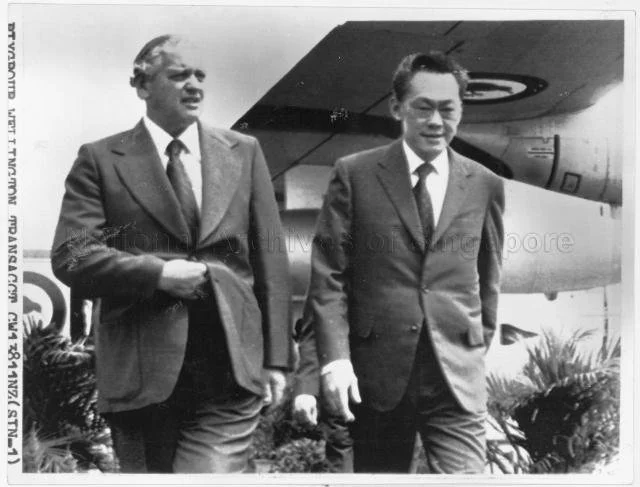
Lee Kuan Yew, Singapore's founding father, saw New Zealand as one of the most successful countries in the world when he first visited in the 1960s. He admired our stability, prosperity, and quality of life. But he also warned that success can breed complacency. His concern was that New Zealand could become a beautiful but stagnant country if we relied on past achievements rather than driving productivity, innovation, and competitiveness.
His message was simple: prosperity is never guaranteed. For small nations especially, standing still means falling behind.
Now, I wouldn't trade my Kiwi passport for a Singaporean one anytime soon. I believe New Zealand has all the tools, resources, talent, and opportunity we need to be the greatest nation in the world.
But nations don't drift towards excellence.
They drift towards comfort.
Towards dependency.
Towards complacency.
The next election matters. The choices we make at polling booth matter. But elections alone won't change New Zealand's trajectory.
A free and prosperous nation is built by citizens who take responsibility for their communities, hold their leaders to account, defend their freedoms, and refuse to accept decline as inevitable.
We need leaders who create an environment where New Zealanders can thrive. Where people are free to innovate, invest, build, create, and contribute. And underpinning all of this must be our fundamental freedoms: the freedom to speak, think, associate, believe, and live according to our convictions.
But our responsibility doesn't end when we leave the polling booth.
If we want a better New Zealand, we must remain engaged long after election night. We must challenge bad ideas, demand transparency from those in power, and protect the freedoms that allow future generations to flourish.
The question isn't whether New Zealand can become the greatest nation in the world.
The question is whether we're prepared to do what it takes to get there.