It doesn’t pay to be unprincipled.
During the WWII a German pastor wrote what is now a well known poem. But while some may remember the words, do they remember the meaning?
First they came for the Communists And I did not speak out Because I was not a Communist Then they came for the Socialists And I did not speak out Because I was not a Socialist Then they came for the trade unionists And I did not speak out Because I was not a trade unionist Then they came for the Jews And I did not speak out Because I was not a Jew Then they came for me And there was no one left To speak out for me
Martin Niemöller
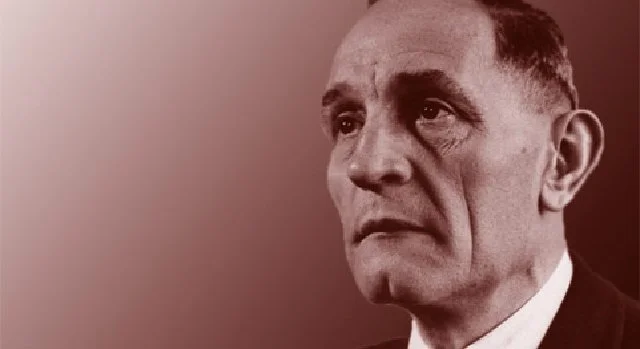
Niemöller is a complicated figure. Initially he was an antisemitic Nazi supporter. However his views changed when he was imprisoned in a concentration camp for speaking out against Nazi control of churches.
How easy it is to dismiss the plight of people who aren’t on ‘our side’, or those we disagree with. Sometimes we even look on and quietly celebrate when they get what we think they deserve. But eventually, everyone has their moment in the spotlight. And when the tables turn and the shoe is on the other foot, we’ll find ourselves frantically searching for someone, ANYONE, to listen and understand.
You see, It doesn’t pay to be unprincipled.
At PILLAR, our commitment is to principle over popularity. We defend individuals on the basis of first principles and clear legal definitions and thresholds. It’s not about liking someone, agreeing with all their views, or endorsing their behaviour. It’s about their rights.
In nearly three years of this work, I struggle to think of a single person I’ve defended whom I fully aligned with or agreed with. I often say that we’ll lose the fight for freedom when we are not prepared to defend the scoundrel, the weirdo, and the undesirable. This isn’t charity or pity. It is a genuine conviction that all people have value and should be treated equally under the law.

This week, I had to explain this repeatedly to many well intentioned and freedom loving people. The problem is that bias and personal preference can quietly override principle.
The unlawful arrest of silent auditor @AucklandCitizens has proven to be a useful test case, not only for our right to film in public, but for our ability to think in terms of first principles when the person involved is someone we don’t necessarily understand.
“It’s weird and he should not be doing that.” “I do not want to be filmed in public.” “We do not need this here in New Zealand.” These are just some of the responses to posts about the arrest.
I’ll admit, silent auditors are an interesting group. They play a curious and sometimes irritating role in stress testing our rights. But while it is not something I would personally do, I am glad others do. They show us how our freedoms function in practice, not just in theory.
Allowing individuals like @AucklandCitizen to be bullied by mobs, unlawfully arrested by police, and charged by the courts without challenge would set us all on a dangerous path. It sends a clear message that you are free only so long as your actions are approved by the mob, the state, and the prevailing ideology of the day.

So the next time you feel tempted to think that someone is simply getting what they deserve, or that karma has finally caught up with your opponent, stop and ask yourself a simple question. Am I being principled? Did they actually do something illegal? Did they really deserve the full weight of the system thrown at them?
You may be reading this and understand what i mean when I say that one side of many recent arguments has weaponised empathy and kindness to the point where those words have lost much of their meaning, so I won’t ask you for that. Instead, I’ll ask something more important.
Will you be principled?
Will you stand up for those you disagree with because it is the right thing to do? If you can, I know one thing. When ‘they’ come for you, you won’t stand alone.