When Dissent Becomes Disorder.
Two countries. Two new laws. One concerning trend.
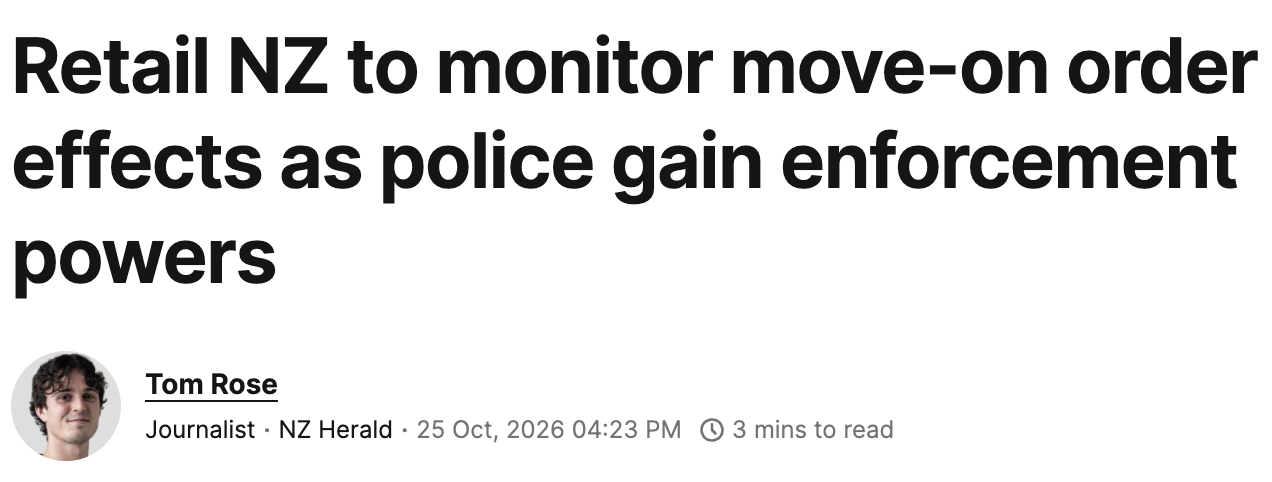
On Sunday, New Zealand's Move-on Orders took effect, giving police the power to remove individuals from public spaces for up to 24 hours for certain behaviours, including disruption or disorderly conduct.
Breaching an order can result in three months' imprisonment or a $1,000 fine.
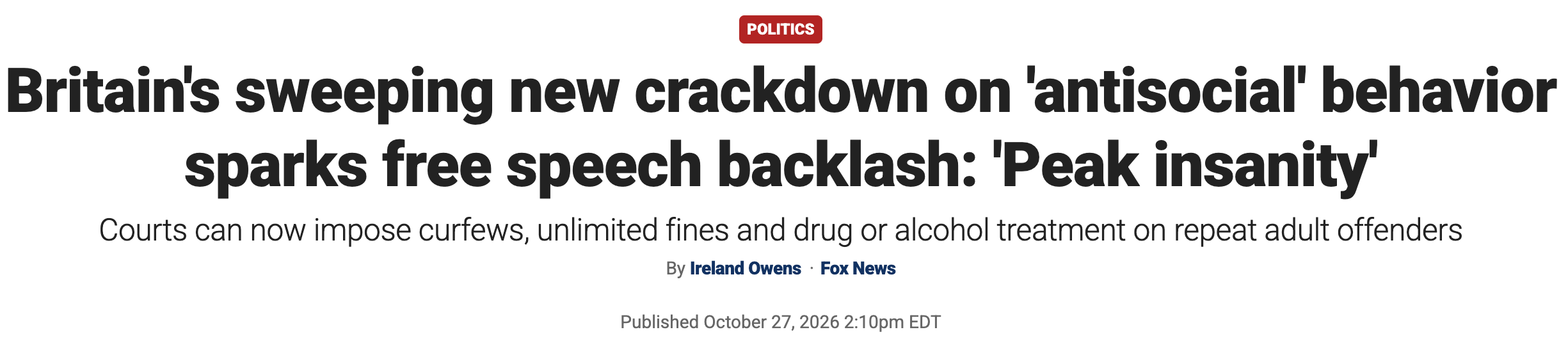
On Monday, Britain introduced its new Respect Orders, allowing courts to restrict individuals accused of antisocial behaviour, including conduct likely to cause harassment, alarm or distress.
Breaching those orders can result in two years' imprisonment.
Neither requires an initial criminal conviction.
But here's the question we should all be asking.
Who decides what's antisocial? Who decides what's disruptive? And who decides when someone's behaviour becomes unacceptable?
Think about it.
Civil disobedience is disruptive.
Protests are often confrontational.
Political dissent can make people uncomfortable.
Throughout history, some of the most important movements for freedom have involved people refusing to comply, challenging authority and deliberately disrupting the status quo.
Disruption is not automatically criminal. And disagreement is not antisocial behaviour.
Yet governments are increasingly giving authorities powers to restrict people's freedom based on broad behavioural standards.
In Britain, the law refers to harassment, alarm and distress.
In New Zealand, police can issue orders based on conduct they reasonably suspect is disruptive or disorderly.
The laws differ. Britain's requires a court order. New Zealand's allows police officers to issue directions directly.
But both raise questions about who defines acceptable public behaviour and how much discretion the state should have.
New Zealand's law expressly protects people whose primary purpose is to demonstrate support or opposition to a cause. That's important.
But what happens when a protest becomes confrontational? When civil disobedience causes deliberate disruption? When police and protesters disagree about whether an activity falls within that protection?
These are questions about how the law will be applied and whether the safeguards will be sufficient.
Of course, violence, threats and genuine criminal offending should be addressed. But there is a difference between protecting the public from harm and protecting the public from behaviour it finds uncomfortable or inconvenient.
The danger is that powers introduced to address antisocial behaviour can become tools for suppressing dissent.
Once those powers exist, they don't disappear when governments change.
In New Zealand, where an entrenched constitution doesn't protect fundamental freedoms, that should concern us.
A free society must protect the right to challenge authority, express unpopular views, and engage in peaceful protest.
Not because those activities are always convenient, but because freedom is meaningless if it only extends to people who agree with the government.
The question isn't whether you trust the police or the government today.
It's whether you trust every government that comes after it.