
The Post-War Consensus
Like many Kiwis, some of my forebears served honourably in two world wars. There were no Victoria Cross recipients in their number, but doing your bit for democracy without losing your nerve under fire still warrants a medal in my books.
When people fret today about the end of multilateralism, the post-war consensus, and provocative statements from a certain figure who lives in the White House, I'm reminded of many of the WW2 veterans I knew growing up. One had been a retired British Army officer by the name of Major Ian Thomas who'd been present at Dunkirk and Monte Cassino. After the war part of the major's Christian ministry involved helping rehabilitate young Germans brainwashed by the Hitler Youth. The Major was a man who somehow remained simultaneously realistic and idealistic about life. He was prepared to face the impossible with his sleeves rolled up. Such figures made our era of relative peace and security possible.
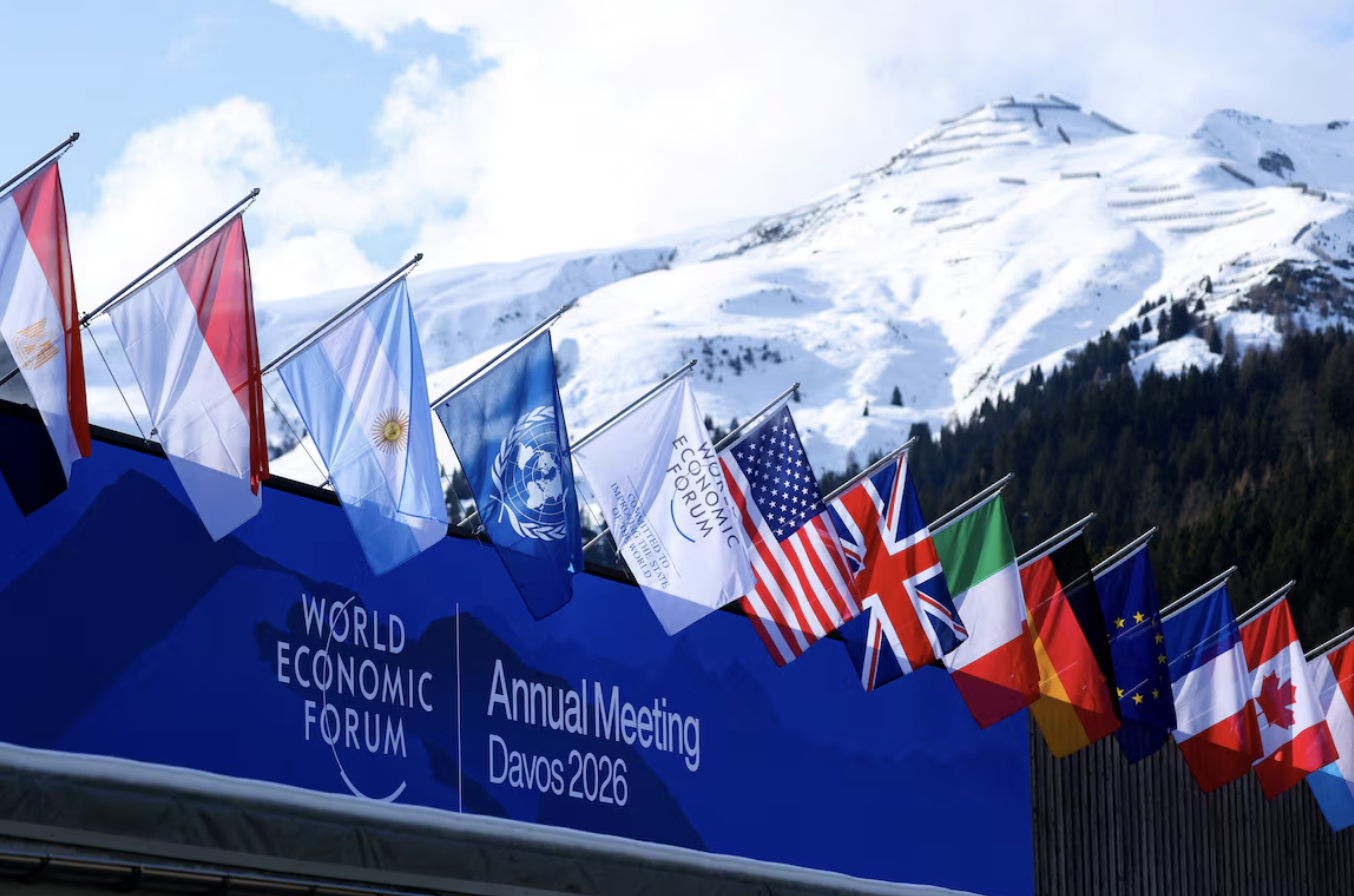
The stability of the post‑WW2 international order is often attributed to institutions such as the United Nations, NATO, the Bretton Woods financial system, and the vast web of trade and diplomatic arrangements that grew from them. But, of course, these structures alone do not explain why the West enjoyed decades of relative cohesion, shared purpose, and broad public support for liberal democratic norms.
In large part, the post-war consensus worked because it was upheld by those of the Major's era- often referred to as the Greatest Generation - who confronted fascist totalitarianism and won. Doubly impressive is the fact that from 1945 their focus then became resisting communist totalitarianism. What we forget today is that most Cold War warriors were also veterans of WW2. US President George H. W. Bush, for instance, not only fought in the Pacific theatre, but later led the free world as the Soviet Union disintegrated. That lifetime commitment to protecting liberal democratic societies was galvanised through resistance.
Allied soldiers liberating Nazi death camps did not need to be told why the British parliamentary system or US constitution was superior to Germany’s fascist dictatorship.
They understood why stable international relations begin with domestic protections for individual rights.

Their experiences made them deeply sceptical of extremist ideologies which sought to dehumanize opponents and keenly aware of how fragile open societies could be.
The Cold War experience reinforced this liberal democratic mindset, even if significant blind spots still showed at times. The civil rights struggle in the US, a decade of indiscriminate mass bombing in Indo-China, and western sponsored coup d'état in Latin America left free nations open, quite fairly at times, to charges of hypocrisy on matters of human rights. Yet critics often omit from their analyses the fact these same liberal democracies also possessed the self-correcting mechanisms which subsequently came to expose and address those internal failings.
After the war, New Zealand’s alignment with democratic partners, and active participation in international organizations, reflected an understanding that our survival depended on working with states that both valued and defended liberal democratic principles.
As the Cold War ended and the Soviet Union collapsed, the external counterweight that had helped sustain unity in the free world disappeared. The absence of an obvious ideological adversary allowed new assumptions to take hold—most notably the idea, popular from the 1990s onward, that history had reached its end point and that liberal democracy would spread inevitably without active stewardship.
This complacency proved deeply misguided.
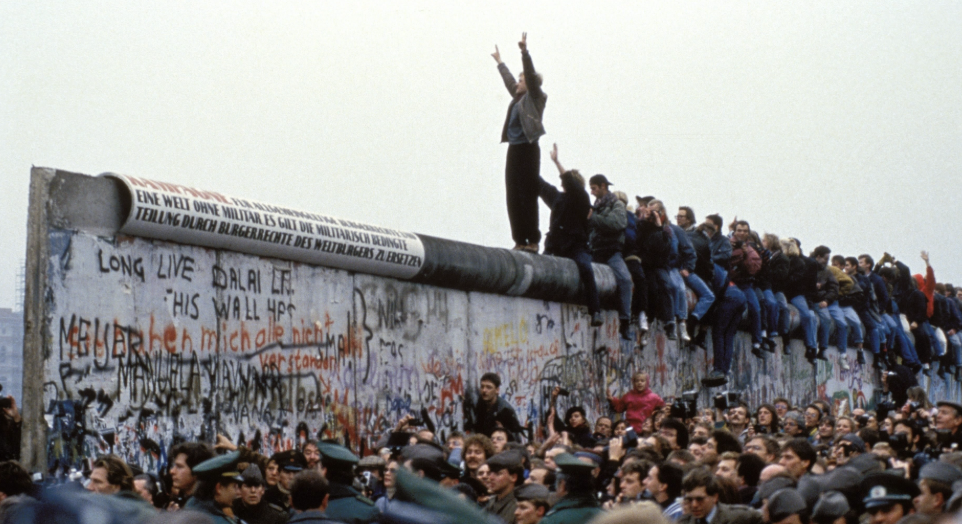
Those raised in conditions of unprecedented peace and prosperity have frequently taken these achievements for granted. Our institutions possessed enormous momentum even as the Greatest Generation began to pass away. Our system of international laws carried us into the 21st century for the most part without serious mishap - but the system has been living on borrowed time.
Recent history shows the consequences of this drift. The rise of assertive authoritarian states and anti-democratic ideological movements hostile to liberal democratic principles, if history is a guide, was inevitable. We disregarded this lesson because we got complacent.
We now have to get realistic.
Liberal democracy does not sustain itself automatically. The post‑WW2 consensus functioned because a generation insisted on the moral and practical superiority of beliefs and systems grounded in freedom. Nation states today are failing to nurture the principles of individual liberties and increasingly deny certain citizens equality before the law. If our societies persist in this pursuit, they will soon cease to be democratic. To scoff at the possibility is, once again, to ignore the warnings of history.
To navigate the challenges of the twenty‑first century, the free world must rediscover the conviction which sustained it through the darkest days of the 20th century. Rehabilitation, no matter how challenging, is possible.
The Major's example showed me that.
